A guide to
Bucharest and Ilfov
in five.
A short guide to Bucharest and Ilfov County: in every area of Bucharest and every town in Ilfov, five places to explore, five to eat and five to stay. Chosen by people, not algorithms.
Areas and towns
Bucharest is split into four areas, and from Ilfov County we picked the places where we found good addresses in all three categories. More will follow as we check them.
 București – Centrul VechiBucharest's historic centre between Calea Victoriei and Brătianu Boulevard, with pedestrian streets, churches from the 16th to 18th centuries, the ruins of the Princely Court, bank palaces from around 1900 and the city's best-known old restaurants.
 București – Calea VictorieiCalea Victoriei, the old Mogoșoaia Bridge road, with Revolution Square, where the Ceaușescu regime ended, and the Romanian Athenaeum, the former Royal Palace and Cișmigiu Gardens a few steps away.
 București – Parlament și CotroceniThe south side of central Bucharest, dominated by the Palace of the Parliament, with Patriarchate Hill, Carol I Park and the villa district of Cotroceni, where the former royal palace stands next to the Botanical Garden.
 București – NordNorthern Bucharest, from Piața Victoriei to the Herăstrău and Floreasca lakes: Kiseleff Road with the Arch of Triumph, the Village Museum and the Antipa Museum, King Michael I Park and the interwar villas of Dorobanți and Primăverii.
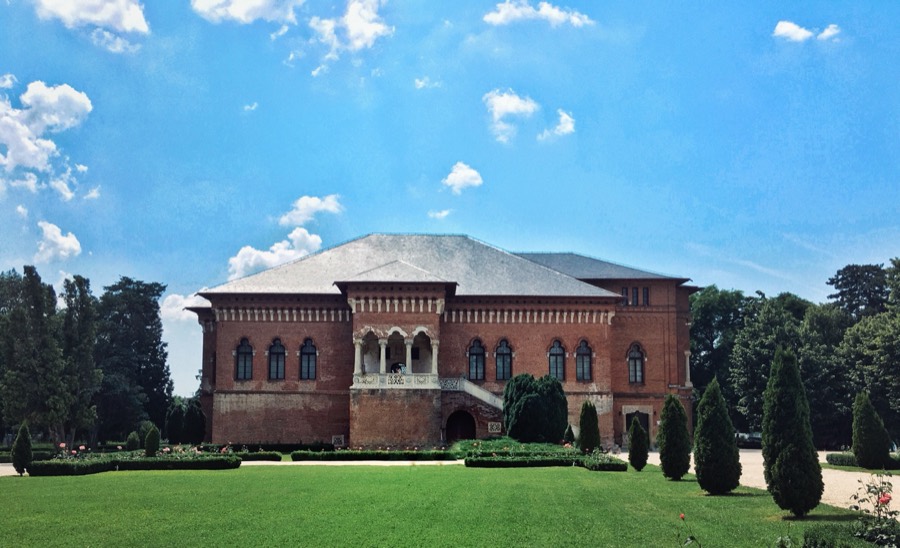 MogoșoaiaAn Ilfov County commune 15 km from central Bucharest, where Constantin Brâncoveanu built his lakeside palace in 1702, set in the park laid out by Martha Bibescu.
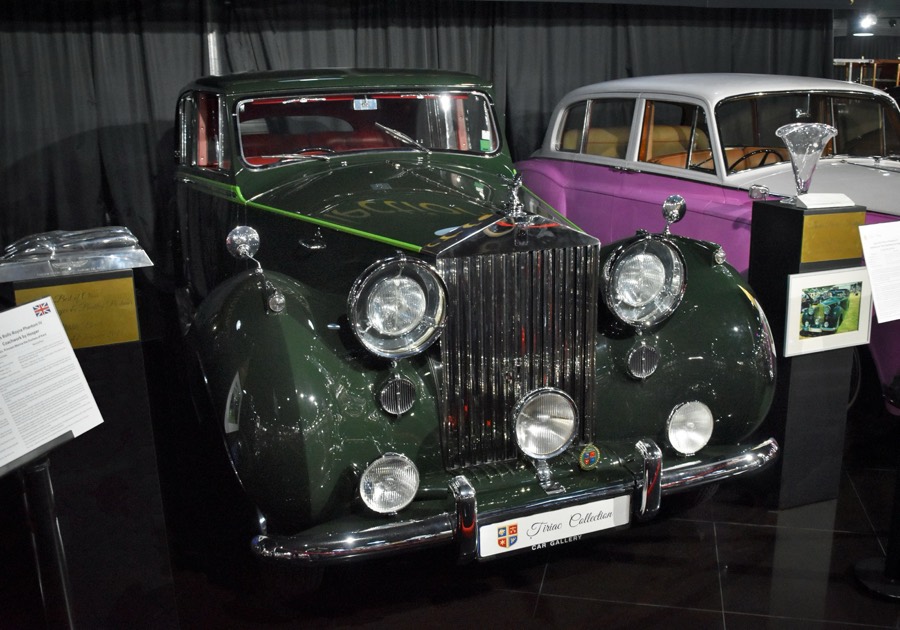 OtopeniThe Ilfov County town that holds Henri Coandă Airport, with hotels a short walk or shuttle ride from the terminal and Ion Țiriac's collection of historic cars.
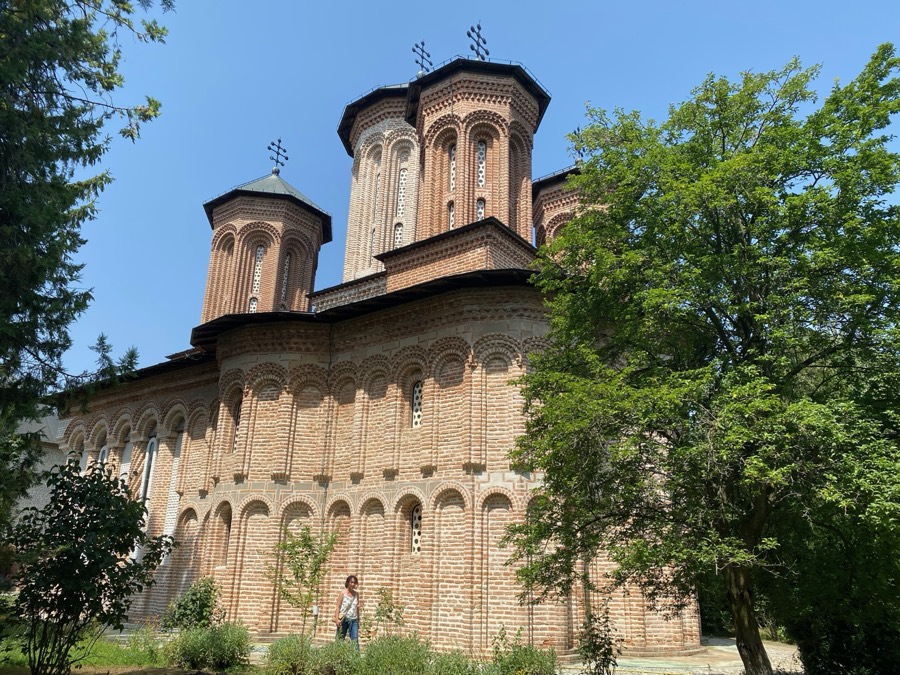 SnagovThe commune on the southern shore of Lake Snagov in Ilfov County, with the island monastery linked to Vlad the Impaler and forests left from the old Vlăsia woods.
Photo: București – Centrul Vechi: Jocelyn Erskine-Kellie / Wikimedia Commons, CC BY-SA 2.0 · București – Calea Victoriei: Diego Delso / Wikimedia Commons, CC BY-SA 4.0 · București – Parlament și Cotroceni: Chainwit. / Wikimedia Commons, CC BY-SA 4.0 · București – Nord: Chainwit. / Wikimedia Commons, CC BY-SA 4.0 · Mogoșoaia: AnnaAMB / Wikimedia Commons, CC BY-SA 4.0 · Otopeni: Crannoch / Wikimedia Commons, CC BY-SA 4.0 · Snagov: Josep Renalias / Wikimedia Commons, CC BY 4.0
Where to start
Places to see, picked by us. The rest are waiting on each town's page.
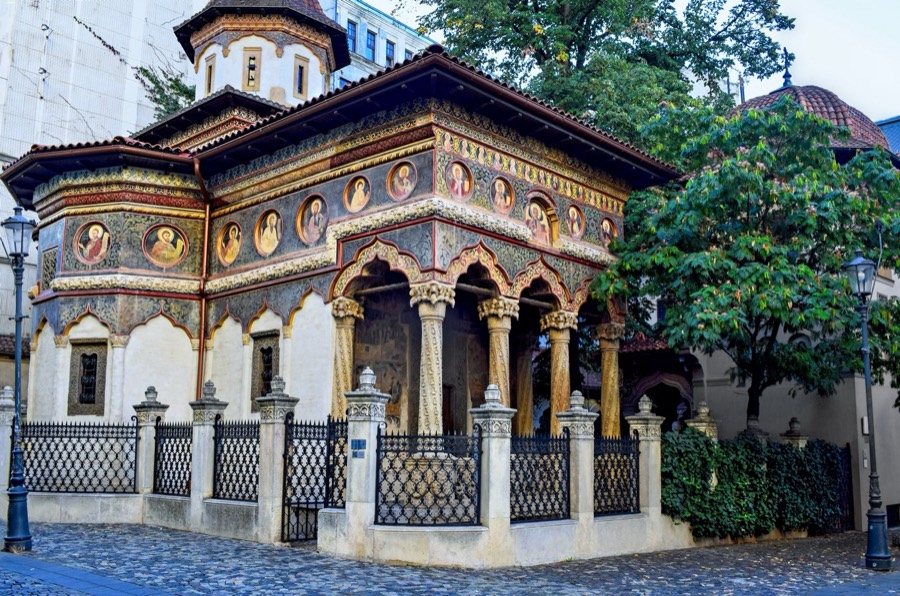
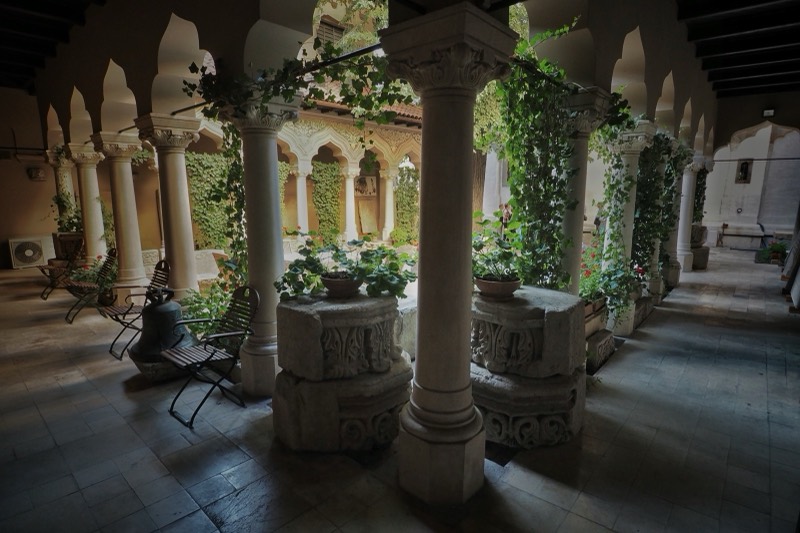 Brâncovenesc-style church of 1724Mănăstirea StavropoleosSmall Brâncovenesc-style church built in 1724 by the archimandrite Ioanichie Stratonikeas, now a convent, with a collection of old icons and a lapidarium in the courtyard.București – Centrul Vechi
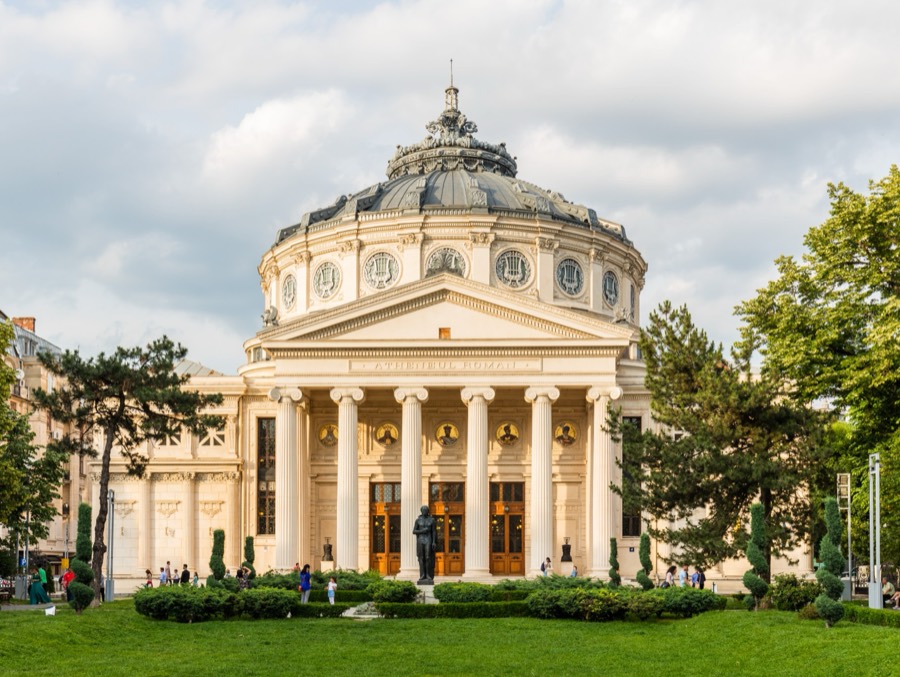
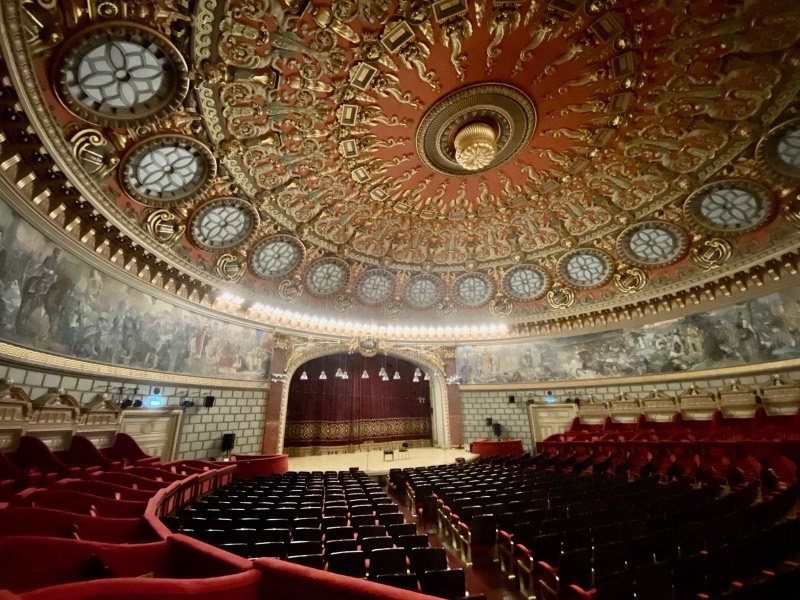 Historic concert hallAteneul RomânThe round, domed concert hall built between 1886 and 1888 to plans by the French architect Albert Galleron, home of the George Enescu Philharmonic.București – Calea Victoriei
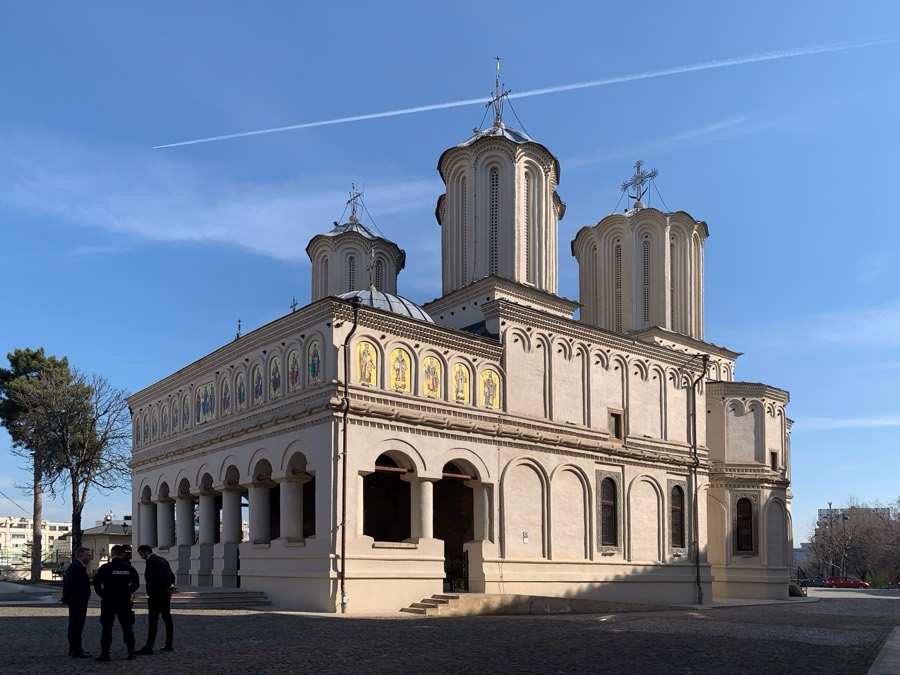
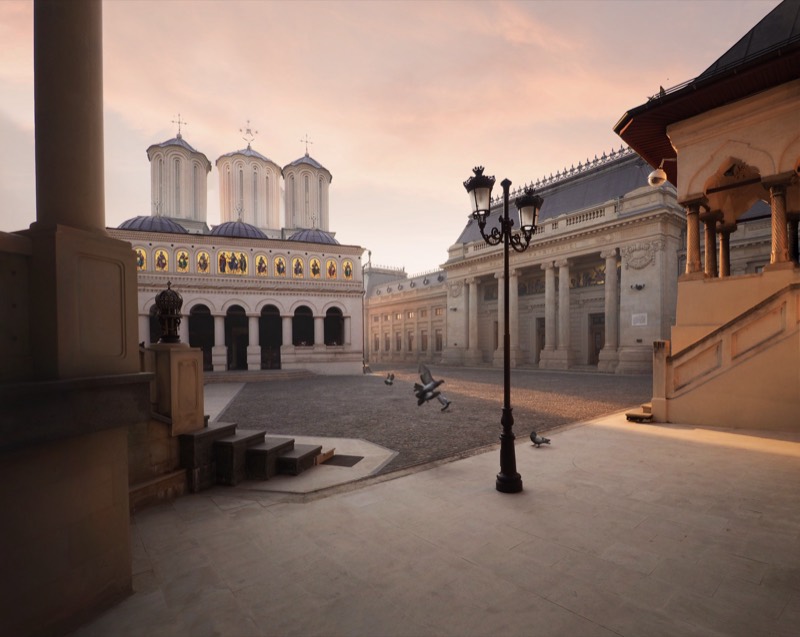 Historic church complexCatedrala Patriarhală și Dealul PatriarhieiThe complex on the hill next to Piața Unirii, with the Patriarchal Cathedral of 1654–1658, the bell tower, the Patriarchal Residence and the Palace of the Patriarchate.București – Parlament și Cotroceni
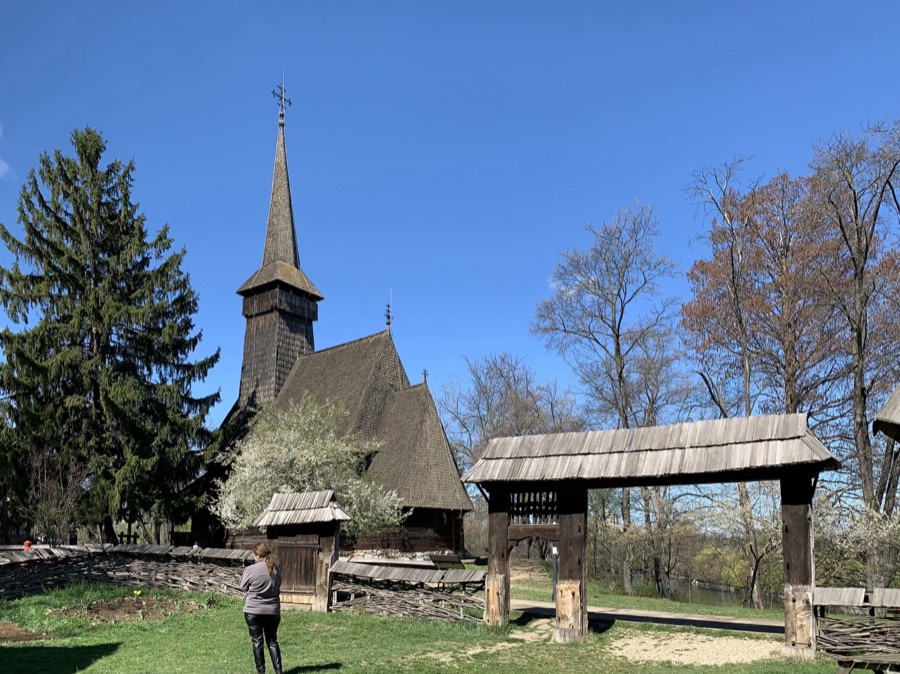
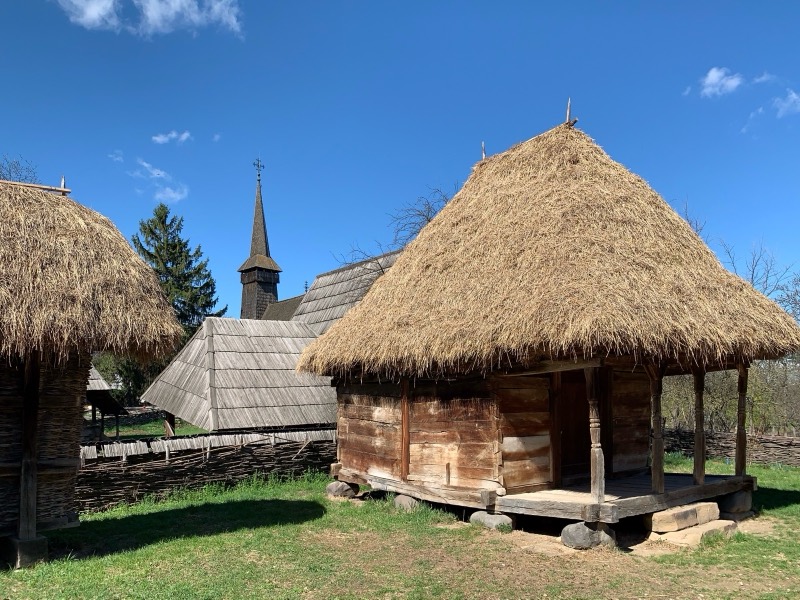 Open-air museumMuzeul Național al Satului „Dimitrie Gusti”Open-air museum opened in 1936 on the shore of Lake Herăstrău, with peasant houses, farm buildings, churches and workshops brought from all over Romania.București – Nord
Photo: Mănăstirea Stavropoleos: Ștefan Jurcă / Wikimedia Commons, CC BY 2.0 · Ateneul Român: Josep Renalias / Wikimedia Commons, CC BY 4.0 · Catedrala Patriarhală și Dealul Patriarhiei: Ștefan Jurcă / Wikimedia Commons, CC BY 2.0 · Muzeul Național al Satului „Dimitrie Gusti”: Chainwit. / Wikimedia Commons, CC BY-SA 4.0
Pocket guide
A weekend ahead?
The guide comes along.
Every town in one PDF: all the places in the guide, with opening hours, phone numbers and a town map. It opens without internet too.
Why only five?
- Five helps you choose.A list of 40 restaurants leaves the searching to you. Five means we already chose.
- Every place has a reason.Each entry says in one line why it made the list.
- Different places, not clones.We pick places that are not alike, so everyone finds what suits them.
- The list changes, it doesn't grow.When a place comes in, another goes out. We review the selection regularly.